















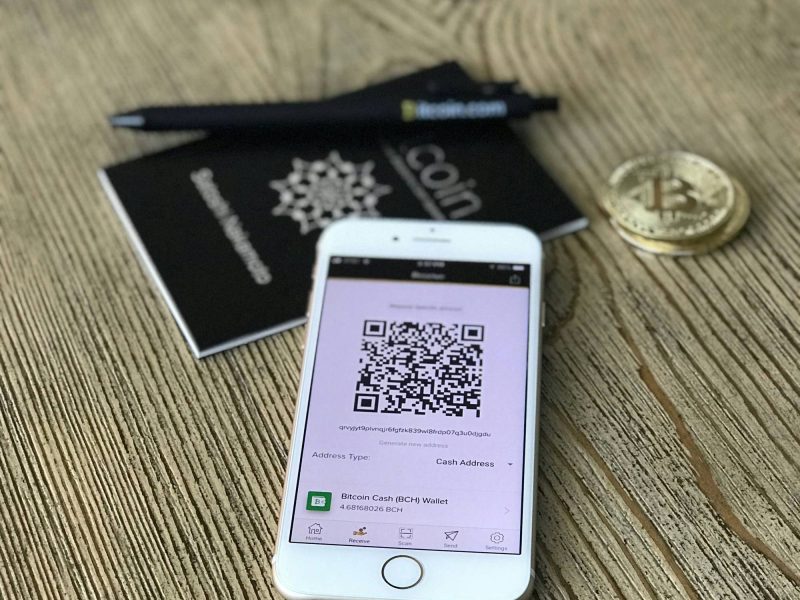
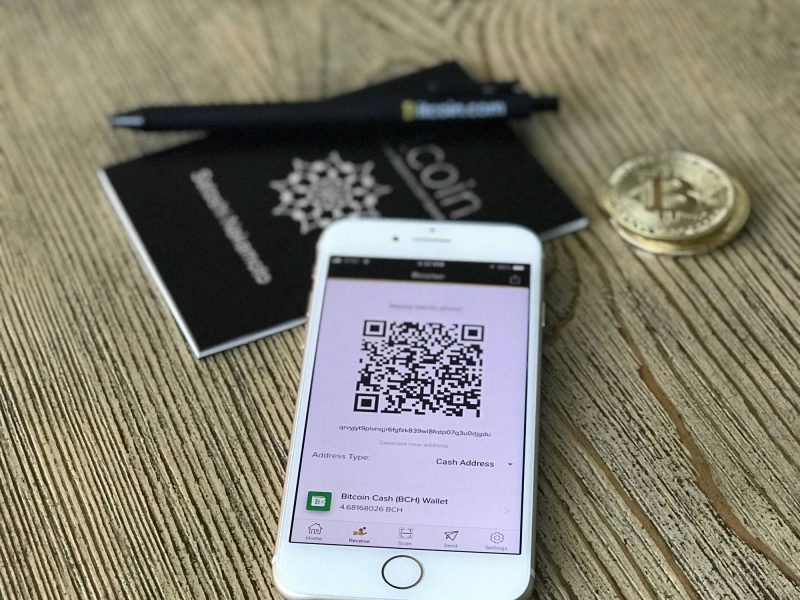

Crypto wallets are rapidly evolving from simple asset storage tools into sophisticated financial operating systems, increasingly serving as the primary interface for everyday financial activity on-chain.
That’s the central thesis of a new research report from Bitget Wallet. In it, the firm argues that as blockchain adoption matures, user behavior is shifting away from episodic, market-driven trading toward repeatable financial activities such as payments, savings and asset management, positioning the wallet at the center of a new financial era in 2026.
This structural shift sees wallets consolidating functions once spread across traditional exchanges, banks and standalone decentralized applications. Payments, trading, yield and privacy are now handled through a single, user-owned interface as cryptocurrencies begin to function more like everyday money.
This maturation is quantifiable: stablecoin on-chain transaction volume reached about US$33 trillion in 2025, with global stablecoin supply growing more than 50 percent to over US$300 billion. Furthermore, spending across major crypto card programs rose 525 percent year-on-year, underscoring a clear transition toward real-world financial use.
The BitGet Wallet report details eight structural trends defining this new phase of on-chain finance.
1. Payments expansion and invisible settlement
Stablecoins are evolving from a gray-zone asset into an invisible, programmable global settlement infrastructure, integrated into cross-border and local instant payment systems and card networks. Wallets function as multi-currency routing hubs, handling conversions and optimizing paths, increasingly using ‘PayFi’ models where held capital automatically earns on-chain yield during payment cycles.
2. The rise of agentic commerce
The artificial intelligence (AI) economy is moving toward machines as autonomous economic actors. Protocols like x402 enable AI agents to transact automatically for data and services by embedding stablecoin payments in HTTP requests.
As this shifts the security focus from know your customer to know your agent (KYA), wallets are becoming unified funding, risk control and KYA enforcement hubs for both people and their authorized agents.
3. Privacy as core infrastructure
Privacy is now essential for scalable on-chain finance. With the Ethereum Foundation prioritizing it, privacy must be built into the infrastructure. Wallets are emerging as the main privacy boundary, managing transactions and on-chain data access to balance trust, usability and compliance without revealing full balances or behaviors.
4. On-chain credit evolves from collateral to reputation
DeFi is shifting from overcollateralized lending to models based on behavioral trust. Continuous on-chain activity, including recurring payments and cash management, generates behavioral signals for dynamic risk assessment. Wallets can aggregate these cross-chain, time-based behaviors to create a behavioral credit layer, translating consistent activity into better permissions and reduced friction, thus building durable financial relationships.
5. Market rebalancing and RWA derivatives
Real-world assets (RWAs) are evolving past simple tokenization toward perpetual and synthetic exposure.
With regulatory clarity and a sizeable increase in tokenized RWA value, reaching US$37.7 billion in 2025, attention is shifting to trading. Synthetic RWA derivatives and perpetual decentralized exchanges (Perp DEXs) are emerging, facilitating price exposure to nearly any asset with a reliable feed, and turning wallets into cross-market portfolio allocation gateways.
6. Perp DEXs and wallet-native trading
Decentralized perpetual markets grew significantly in 2025, with monthly turnover surpassing US$1 trillion at times. This brought on-chain perpetuals close to 20 percent of centralized derivatives volume.
Wallets are increasingly becoming the main trading platform, integrating execution, context and portfolio management, replacing standalone trading venues.
7. Prediction markets as tradable information
Prediction markets have become key financial infrastructure, with annual volumes over US$40 billion.
They now convert real-world events, like sports or elections, into tradable probability signals containing asymmetric information. Wallets are transforming into event-driven financial interfaces, making it easier for users to express views and manage risk based on these outcomes.
8. Memecoins as an onboarding vector
Memecoins, despite driving new wallet downloads and trading, offer inconsistent liquidity.
As the market matures, wallets are adding advanced tools like address clustering and relationship analysis to help users better understand the emotion, momentum and capital flows of meme trading, aiming to convert speculative activity into sustainable financial behavior.
Investor takeaway
“Crypto is increasingly being used for everyday financial activity,” said Bitget Wallet CMO Jamie Elkaleh.
Elkaleh also noted that Bitget Wallet has embraced this shift, strategically aligning its product architecture around payments and cash management with its unified Pay hub that combines crypto cards, QR payments and bank transfers alongside yield and trading features.
Securities Disclosure: I, Meagen Seatter, hold no direct investment interest in any company mentioned in this article.